
Bulk Billed Sleep Studies Available - Find Out More
Find a Clinic
90 Locations
  1. Home
  2. Nasal Masks
Close

Nasal Masks

Nasal CPAP Masks are one of three main types of CPAP masks available for patients to choose from. The other two main types include Full Face CPAP Masks and Nasal Pillow CPAP Masks. The most popular manufacturers of Nasal CPAP Masks are ResMed, Philips Respironics and Fisher & Paykel Healthcare.

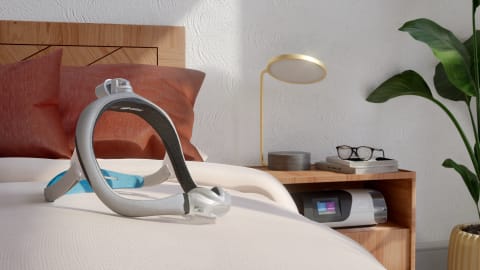
Nasal CPAP Masks cover the nose or sit under the nose, and have straps that go around the head. Nasal CPAP Masks are a good choice for the following CPAP patient types:

  1. Patients who can comfortably breathe through their nose
  2. Patients who are restless sleepers (i.e. toss and turn a lot during sleep) and need a more stable mask relative to a Nasal Pillow CPAP mask.
  3. Patients with thick facial hair and experience high leakage with other CPAP Masks.
  4. Patients requiring high pressure CPAP settings

ResMed AirFit N20 Nasal CPAP Mask
Nasal
ResMed AirFit N20 Nasal CPAP Mask
RRP: $275 Save: $106 $169
Pickup available
ResMed AirTouch N30i Nasal CPAP Mask
Nasal
ResMed AirTouch N30i Nasal CPAP Mask
RRP: $249 Save: $80 $169
Pickup available
ResMed AirFit N30i Nasal CPAP Mask Starter Pack
Nasal
ResMed AirFit N30i Nasal CPAP Mask Starter Pack
RRP: $289 Save: $120 $169
Pickup available
ResMed Airfit N30 Nasal CPAP Mask Starter Pack
Nasal
ResMed Airfit N30 Nasal CPAP Mask Starter Pack
RRP: $295 Save: $126 $169
Pickup available
ResMed AirFit N20 Classic Nasal CPAP Mask
Nasal
ResMed AirFit N20 Classic Nasal CPAP Mask
RRP: $265 Save: $96 $169
Pickup available
Fisher & Paykel Solo Nasal Mask Fitpack
Nasal
Fisher & Paykel Solo Nasal Mask Fitpack
RRP: $349 Save: $170 $179
Pickup available
Fisher & Paykel Solo Nasal Mask
Full Face
Fisher & Paykel Solo Nasal Mask
RRP: $299 Save: $130 $169
Pickup available
Fisher & Paykel Nova Nasal CPAP Mask
Nasal
Fisher & Paykel Nova Nasal CPAP Mask
RRP: $289 Save: $120 $169
Pickup available
ResMed Mirage FX Nasal CPAP Mask ResMed Mirage FX Nasal CPAP Mask
RRP: $259 Save: $84 $175
Pickup available
ResMed Mirage FX Nasal CPAP Mask for Her ResMed Mirage FX Nasal CPAP Mask for Her
RRP: $259 Save: $84 $175
Pickup available
Frequently Asked Questions
What is a Nasal CPAP Mask?

A Nasal CPAP Mask is a specialised device designed for treating obstructive sleep apnea by delivering pressurised air to keep the airway open during sleep. Unlike full face masks that cover both the nose and mouth, a nasal mask fits comfortably over just your nose. It seals around either the lower half or the entire nose, providing a streamlined and less invasive interface between the CPAP machine and the user.

This design is especially appealing to people who naturally breathe through their nose and want a less bulky, minimal-contact mask. This minimalism allows users to engage in bedtime activities like reading, watching TV, or wearing glasses before sleeping. Nasal masks are also lightweight, making them comfortable to wear throughout the night without feeling heavy or restrictive.

One key benefit of nasal masks is their ability to maintain a secure and gentle seal across various sleep positions, including side or restless sleepers. Their smaller profile reduces feelings of claustrophobia common with larger masks and decreases pressure points on the face, enhancing overall comfort.

However, nasal masks may not be ideal for users who frequently breathe through their mouth or experience persistent nasal congestion, as this can cause air leaks and reduce treatment effectiveness. For such cases, other mask types like full-face masks might be more suitable.

Modern nasal CPAP masks feature quiet operation technology, minimizing noise for both the user and sleeping partner. They also usually offer simple fitting mechanisms with adjustable headgear to ensure a personalised, comfortable fit.

Who should use a Nasal CPAP Mask?

Nasal CPAP masks are an excellent choice for many patients beginning CPAP therapy because they offer a combination of comfort, effectiveness, and convenience that often leads to better therapy adherence and quality of life. These masks cover only the nose, delivering pressurised air directly through the nasal airway, which is the natural breathing route during sleep for most people. This design makes nasal masks ideal for users who comfortably breathe through their nose throughout the night and prefer a lightweight, minimal-contact option.

One of the major advantages of nasal masks is the balance they strike between performance and comfort. Because they have a smaller surface area than full-face masks, nasal masks typically cause fewer pressure points and reduce skin irritation on the face. Their compact and lightweight design helps alleviate feelings of claustrophobia and enables greater freedom of movement, especially for side sleepers and restless sleepers. With less bulk and fewer parts covering the face, users often report a more natural and less intrusive sensation while wearing nasal masks. This makes them particularly suitable for individuals who tend to shift sleeping positions frequently, as nasal masks maintain a reliable seal despite movement.

Nasal CPAP masks are also well-suited for patients who do not have significant mouth breathing during sleep. Users who occasionally breathe through their mouth can use adjunctive accessories like chin straps to keep the mouth closed and enhance the mask seal. This reduces the risk of air leaks, which can hinder therapy effectiveness and cause annoying noise. However, for those who consistently breathe through the mouth or have frequent nasal congestion preventing effective nasal breathing, nasal masks may not be the best choice, and a full-face mask might be more appropriate to ensure continuous therapy.

Beyond physical comfort, nasal masks provide quieter operation and easier fitting compared to many other CPAP mask types. Many models incorporate advanced venting technology that quietly directs air away from both the user and their bed partner, minimizing disturbances during sleep. The simplicity of design means these masks are easier for new users to put on and adjust, encouraging consistent nightly use. Additionally, nasal masks typically require lower air pressures to maintain airway patency compared to full-face masks, which can improve comfort and reduce side effects like nasal dryness or discomfort.

It is worth noting that nasal masks are customisable with various cushion sizes and materials, including gel, foam, and silicone, to optimize fit and comfort depending on individual facial features and sensitivity levels. This personalization further contributes to patient satisfaction and lessens common issues such as skin irritation or pressure sores.

In summary, nasal CPAP masks are most recommended for:

• Natural nasal breathers who want effective, uninterrupted therapy through the nasal airway.
• Side and restless sleepers who need a low-profile, flexible mask allowing movement without frequent leakages.
• Individuals without habitual mouth breathing or who can manage it with a chin strap.
• Users seeking a mask option that combines quiet function, easy fitting, and high comfort.
• New CPAP users looking for a straightforward and less obtrusive therapy interface.

For patients with persistent nasal congestion, severe mouth breathing, or anatomical challenges that complicate nasal mask fitting, a full-face mask covering both nose and mouth may be a more appropriate option to maintain effective treatment. Consulting with a sleep clinician helps identify the best mask type to match facial structure, breathing patterns, sleep habits, and pressure settings, all essential factors for optimal therapy success.

Nasal masks deliver an excellent balance of comfort and function that often leads to higher satisfaction and improved CPAP adherence, the key to managing sleep apnoea symptoms and enhancing overall quality of life.

What are the advantages of using a Nasal CPAP Mask?

Nasal CPAP masks provide a range of advantages that make them an appealing and effective option for many CPAP therapy users, especially those prioritising comfort and consistent treatment outcomes. Their design offers a careful balance of functionality and ease of use, which often translates into better compliance and therapy success.

Lightweight and Compact Design

A key advantage lies in their lightweight and compact design. Unlike full-face masks, nasal masks cover only the nose, significantly reducing facial bulk and contact area. This minimal contact lessens the sense of claustrophobia and discomfort many new users fear, making the mask feel almost unnoticeable during sleep. This feature particularly benefits side and restless sleepers who need the flexibility to move freely without dislodging the mask or experiencing pressure at awkward points on their face. Users often describe nasal masks as feeling far less intrusive than bulkier alternatives, enabling them to maintain natural sleeping positions comfortably throughout the night.

Secure Yet Gentle Seal

The secure seal of nasal masks is another fundamental advantage.The fit is designed to stay reliable even during sleep movements, minimizing troublesome air leaks that can disrupt therapy effectiveness and cause noise or eye dryness. For those who occasionally breathe through their mouth, using a compatible chin strap or mouth tape can help maintain this seal and optimize treatment. Comfortable seals contribute to uninterrupted therapy, which is essential for managing sleep apnea symptoms effectively.

Facial Hair Compatibility

Nasal CPAP masks that cover the nose or sit beneath the nostrils are ideal for users with facial hair because they minimize contact with the beard or mustache, improving the mask’s seal and reducing air leaks. Their smaller and more flexible design allows for a better fit over or under the nose without being disrupted by coarse hair. This makes therapy more comfortable and effective for bearded users without needing to shave. Adjustability and use of mask liners or chin straps can further enhance the seal and comfort.

Quiet Operation

Quiet operation is another benefit nasal masks bring to the sleep environment. Many models incorporate advanced venting systems that diffuse exhaled air softly and quietly. This helps reduce noise both for the user and their bed partner, fostering a peaceful sleep setting. Minimizing the audible mechanical sound of the CPAP device can improve user comfort and acceptance, which is crucial for long-term adherence.

Reduced Skin Irritation Risk

Another important consideration is the reduced risk of skin irritation due to the limited contact surface of nasal masks. Broad full-face masks can cause skin breakdown or pressure sores on the nose bridge or cheeks, areas rarely affected by nasal masks. Nasal masks concentrate pressure discreetly over a smaller area and often come with soft cushion options in various materials, including silicone, fabric and memory foam, providing users options to enhance comfort and protect sensitive skin.

Effective Lower Air Pressure Settings

Nasal masks frequently allow for lower air pressure settings to be effective compared to full face masks, since the air is delivered directly to the nasal passages without the potential loss through mouth breathing. Lower pressures are generally more comfortable, reducing side effects like nasal dryness or congestion. Speak to your doctor to determine the most appropriate CPAP pressures for you.

Nasal CPAP masks are best suited for natural nasal breathers, side sleepers, and users seeking a quiet, comfortable, and easy-to-use interface. While not ideal for everyone, particularly persistent mouth breathers or people with severe nasal congestion, they offer a highly effective, patient-friendly solution for many CPAP users aiming for improved sleep quality and therapy success.

This combination of lightweight design, secure seal, quiet operation, skin-friendly interface, and adaptability truly makes nasal masks a preferred choice for many individuals managing obstructive sleep apnea with CPAP therapy.

What is the difference between a Full Face Mask, a Nasal Mask, and a Nasal Pillows Mask?

Choosing the right CPAP mask is essential for effective sleep apnea therapy. There are three primary types of masks across all major brands: Full Face, Nasal, and Nasal Pillow. These three masks differ primarily by their size, coverage, and suitability based on breathing styles, sleep habits, and comfort needs. Understanding the distinct features of each helps users find the most effective and comfortable option for sleep apnea therapy.

Full Face CPAP Mask

Full face masks cover both the nose and mouth, creating a large seal that encompasses the bottom half of the face. This broad coverage is ideal for users who breathe through their mouth during sleep or have frequent nasal congestion that blocks nasal breathing. Because full face masks deliver air to both the nose and mouth, they remain effective even if the mouth opens during sleep, preventing therapy interruptions. They are also suited for patients requiring higher air pressure settings, as the larger surface area distributes pressure more evenly, reducing discomfort at high pressures. However, full face masks are bulkier and may feel cumbersome or claustrophobic, especially for side or active sleepers. They can obstruct the field of vision and have more potential pressure points, particularly on the nose bridge and cheeks. These factors sometimes cause discomfort or challenges maintaining a tight seal during movement.

Nasal CPAP Mask

Nasal masks cover only the nose and are often preferred for their intermediate size and balanced performance. They seal around the nose, typically from just above the upper lip to the nose bridge or below the nostrils for low-profile versions. These masks suit people who breathe through their nose naturally, as well as side sleepers or those uncomfortable with larger masks. Nasal masks provide a more natural airflow experience and reduce feelings of bulkiness or claustrophobia compared to full face masks. They can handle moderate to high air pressures effectively. However, if the mouth opens frequently during sleep, air leaks can occur, which can be addressed with adjunct chin straps. Some users may experience minor nasal bridge irritation or pressure marks but usually find nasal masks more comfortable than full-face options.

Nasal Pillow Mask

Nasal pillow masks are the smallest and lightest type, featuring soft inserts (pillows) resting directly at the nostril openings. Their minimal facial contact makes them excellent for users sensitive to skin irritation or those who dislike the feeling of a mask covering their nose or mouth. Nasal pillows provide maximum freedom of movement and an unobstructed field of vision, making them highly popular among stomach and side sleepers and those with facial hair. Because of their minimal design, they generally remain securely in place throughout the night. These masks are best suited for people requiring lower to moderate pressure settings and who consistently breathe through their nose without mouth breathing. Nasal pillows may cause nasal dryness or irritation in some users with sensitive nasal tissues, and their minimal seal area may be less suitable for higher pressures compared to other masks.

Choosing the Right Mask

The right CPAP mask depends on individual breathing patterns, sleep positions, facial features, pressure needs, and comfort preferences. Nasal pillow masks offer the least contact and greatest freedom of movement but require nasal breathing and lower pressures. Nasal masks provide a balance of coverage and comfort suitable for natural nasal breathers and moderate to high pressures. Full face masks cover both nose and mouth, catering to mouth breathers, nasal congestion sufferers, and those needing higher pressures. Working with a Sleep & Respiratory specialist or CPAP consultant to trial different masks is essential for finding the optimal fit and ensuring effective therapy.

In summary, nasal pillows excel in minimalism and comfort, nasal masks strike a versatile middle ground, and full face masks provide comprehensive coverage for mouth breathers and higher-pressure requirements. Each type has its pros and cons, and the best choice balances therapy effectiveness with user comfort and lifestyle needs for the best long-term adherence and sleep outcomes.

How do I choose the right size and fit for my Nasal CPAP Mask?

Choosing the right size and fit for your nasal CPAP mask is crucial for effective therapy and a comfortable experience. A mask that fits too tightly can cause pressure marks, discomfort, or skin irritation, while one that’s too loose may leak air, reducing your treatment’s effectiveness. The right fit ensures a secure seal, preventing leaks and promoting consistent air pressure throughout the night.

At Sove CPAP Clinic, professional mask fitting consultations are available in person or via telehealth. Our experienced CPAP consultants can assist in determining the most suitable mask size and style based on your facial anatomy and sleep habits. During fittings, different masks are tried to ensure the seal remains intact and comfortable while you lie in your typical sleeping posture.

If you’re shopping for a mask online, most manufacturers offer printable sizing templates or detailed size guides on their product pages. These help you measure key dimensions like nose width (measured at the widest point between nostrils) and nose length (from the bridge to the tip). Using a ruler or measuring tape, you can match these measurements against the manufacturer’s size chart to choose your ideal mask size. It is beneficial to measure yourself in front of a mirror or with assistance for accuracy.

A well-fitted nasal mask should feel snug but not restrictive. After fitting, it’s normal to have a little trial and error to find the best size and adjustments. Avoid over-tightening the headgear to prevent discomfort or marks. Regularly reassessing your mask fit is recommended, particularly if refitting with new cushions or changing mask types.

Ultimately, expert guidance and proper sizing tools greatly improve therapy success by ensuring your mask fits well, remains comfortable, and delivers consistent pressure without leaks or irritation.

How often should I replace my Nasal CPAP Mask or its parts?

Maintaining your nasal CPAP mask and its components is essential for ensuring the effectiveness, comfort, and hygiene of your sleep apnea therapy. Even with diligent cleaning and careful handling, the materials in your mask naturally degrade over time. Worn parts can lose their shape, develop leaks, or become less comfortable, all of which can compromise the consistent air pressure your CPAP machine delivers. If your mask is not functioning properly, it may lead to disrupted sleep, skin irritation, or decreased adherence to your therapy. To get the most from your CPAP treatment, it’s important to replace components on a regular schedule.

Recommended Replacement Schedule
Different parts of your CPAP mask wear out at different rates, so knowing when to replace each is critical. Below is a detailed guide:

1. Nasal Mask Cushion or Seal
The cushion, also known as the seal, is the part that comes into direct contact with your face. Its role is to provide a secure, comfortable seal to prevent air leaks.
• Silicone cushions: Replace every 3 to 6 months.
• Memory foam cushions: Replace every 1 to 3 months.
With regular use, cushions are exposed to skin oils, sweat, and environmental debris, causing the material to soften, lose shape, and reduce its sealing ability. When cushions wear out, leaks become more likely, and you may notice discomfort or redness on your skin. Replacing the cushion promptly ensures a proper fit, maintains therapy effectiveness, and keeps your treatment comfortable.

2. Mask Frame
The mask frame forms the structural backbone of your CPAP mask, holding the cushion in place and supporting the headgear.
• Replace the mask frame every 3 to 6 months.
Daily use can bend or distort the frame slightly, even if it appears intact. A deformed frame can compromise the mask’s fit, leading to air leaks and discomfort. Ensuring the frame remains rigid and correctly shaped helps maintain a consistent seal and prevents pressure points on your face.

3. Headgear and Chin Straps
The headgear and chin straps keep your mask securely positioned while you sleep. Over time, these materials lose elasticity and strength.
• Replace headgear and chin straps every 6 to 12 months.
Worn headgear may stretch, reducing mask stability and causing leaks or unwanted movement during the night. Tight or ill-fitting straps can also create pressure points, leading to discomfort or skin irritation. Regular replacement ensures that your mask remains securely fitted without excessive tension.

4. Filters
CPAP filters trap dust, allergens, and other particles, protecting both your airways and your machine.
• Replace filters monthly or sooner if visibly dirty.
Neglecting filter replacement can reduce airflow, compromise therapy efficiency, and allow debris to accumulate in the machine, potentially causing damage or hygiene concerns. Frequent filter changes maintain clean airflow and protect your respiratory health.

5. Tubing
The tubing connects your CPAP machine to your mask and allows air to flow freely.
• Replace tubing every 12 months.
Daily bending and flexing can cause the tubing to develop cracks or small holes. Even minor leaks reduce the effectiveness of therapy and can interrupt sleep. Regular replacement of tubing helps maintain optimal pressure delivery and prevents unexpected leaks during the night.

Signs You Might Need Replacement Sooner
While these timelines are general guidelines, some signs indicate it’s time to replace components sooner:
• Recurring air leaks
• Mask slipping during the night
• Skin irritation or redness
• Unpleasant odors from the mask
• Visible damage such as cracks, tears, or stretched materials
Paying attention to these warning signs allows you to proactively maintain your mask, preventing therapy disruption and discomfort.

Tips for Extending the Lifespan of Your CPAP Equipment
Regular cleaning and proper handling can help extend the life of your mask and components:
• Follow manufacturer instructions for cleaning each part.
• Avoid harsh chemicals that can degrade silicone or foam.
• Handle your mask gently to prevent bending or tearing.
• Store components in a clean, dry place when not in use.
While cleaning helps, no amount of maintenance can fully prevent natural wear. Replacing worn parts according to the recommended schedule ensures that your CPAP therapy remains effective, hygienic, and comfortable.

Can I use a Nasal CPAP Mask if I have facial hair or a beard?

Using a Nasal CPAP Mask with facial hair or a beard is absolutely possible, though it does come with specific considerations to ensure a proper seal and therapy effectiveness. Nasal masks are generally more compatible with facial hair than full-face masks because they primarily seal around the nose area, minimising contact with the beard or mustache which often causes leaks.

To achieve the best fit, opting for a nasal mask with a flexible cushion and adjustable headgear is key. A cushion made from adaptable materials like memory foam can better contour to the uneven surfaces that facial hair creates, reducing gaps and preventing leaks. Adjustable straps enable you to fit the mask comfortably without overtightening, which can cause irritation or discomfort.

Maintaining a well-groomed beard, especially trimming around the areas where the mask seals, greatly improves mask performance. Keeping facial hair neat reduces obstruction and allows the mask cushion to form a stronger seal against the skin. Some beard conditioners or softeners can also help reduce coarse hair stiffness that might otherwise interfere with the mask fit.

For those who occasionally or frequently breathe through their mouth, using a chin strap in conjunction with the nasal mask is beneficial. The strap helps keep the mouth closed, preventing air from escaping and ensuring consistent pressure delivery.

There are also specialised mask options and accessories designed for bearded users. Minimal-contact nasal pillow masks and mask liners that create a barrier between the hair and mask are popular choices. These solutions help reduce leaks and improve comfort for those with facial hair.

At Sove CPAP Clinic, our experienced consultants understand the challenges facial hair can present and can help you find the most suitable nasal mask and accessories tailored to your beard and therapy needs. We focus on ensuring both a comfortable fit and a secure seal throughout the night, enabling effective, uninterrupted treatment and better sleep quality.

What should I do if my Nasal CPAP Mask is leaking or uncomfortable?

If your nasal CPAP mask is leaking or uncomfortable, it generally indicates that adjustments or maintenance are required to ensure your therapy remains both effective and comfortable. Achieving a proper fit and seal are fundamental aspects of successful CPAP treatment.

Achieving a secure and comfortable CPAP mask fit is essential for effective sleep apnea therapy. The first step is to carefully reposition your mask while lying in your usual sleeping position. During sleep, facial muscles naturally relax, and small movements can shift the mask, breaking the seal and causing air leaks. It is important to avoid overtightening the headgear in an effort to prevent leaks. A mask that is snug but gentle provides the best balance between preventing leaks and avoiding pressure points, skin irritation, or painful sores. Learning to adjust the mask correctly while awake can make a significant difference in comfort and therapy effectiveness throughout the night.

Proper cleaning of your CPAP mask and its components is equally important for maintaining hygiene and ensuring the seal remains effective. Over time, oils from the skin, sweat, makeup, and environmental debris accumulate on cushions and mask surfaces, softening and degrading the material, which increases the likelihood of leaks. Daily cleaning with mild soap and warm water or CPAP-safe wipes is recommended. After washing, it is essential to rinse all components thoroughly and allow them to air dry completely, avoiding direct sunlight, which can damage the materials. Sanitizing the mask and its accessories once or twice a week with a diluted vinegar-water solution can further reduce microbial buildup, enhancing hygiene and comfort. Consistent cleaning not only extends the life of your mask but also helps maintain therapy effectiveness.

Mask leaks are a common issue and can result from worn cushions, misaligned masks, or headgear that is either too tight or too loose. Leaks reduce the pressure delivered by the machine, interrupt therapy, disturb sleep, and may cause dry eyes or nasal irritation. Fortunately, most leaks can be corrected by repositioning the mask and adjusting the straps for a proper fit. If leaks persist, it may indicate that the mask style or size is not suitable for your facial structure or sleeping habits, in which case a professional assessment is recommended.

Discomfort often arises from improper mask tension. Masks that are overtightened can leave red marks, cause pressure sores, or irritate the skin, while masks that are too loose tend to slip and leak. Switching to cushions made from softer materials, such as memory foam, can relieve pressure points and improve comfort. For those with sensitive skin, lightweight or minimal-contact masks are beneficial alternatives. Regularly replacing worn headgear and chin straps helps maintain mask stability, reduces friction, and increases overall comfort.

Other common challenges include nasal dryness or congestion, which can often be addressed with a heated humidifier or saline nasal sprays, as recommended by your healthcare provider. Skin irritation caused by mask or vent buildup can be minimized through routine cleaning. Users prone to leaks due to oily skin or facial hair may benefit from mask liners, which provide additional comfort, reduce leaks, and protect sensitive skin. Tubing can also create challenges, as tangled or pulling hoses can disrupt the mask’s position and disturb sleep. Using hose management clips or CPAP pillows designed to accommodate tubing can help reduce this problem. Noises from the mask caused by leaks or blocked vent holes should be checked and cleaned regularly to maintain quiet and effective therapy.

If cleaning, repositioning, and adjusting the mask do not resolve leaks or discomfort, seeking expert guidance is crucial. At Sove CPAP Clinic, trained professionals provide thorough mask fittings and personalized assessments, recommending alternative nasal mask styles or different mask types that are tailored to your facial features and therapy requirements. Achieving the right fit and comfort is critical for therapy adherence, helping you consistently receive the full benefits of CPAP treatment for obstructive sleep apnea. Addressing leaks and discomfort promptly prevents therapy interruptions, enhances sleep quality, and supports long-term treatment success, ensuring that CPAP therapy remains both effective and comfortable for every night of use.

How long does it take to adjust to a Nasal CPAP Mask?

Adjusting to a Nasal CPAP Mask typically takes about 1 to 3 weeks for most users, although individual experiences may vary. This adjustment period allows your body to get accustomed to the sensation of wearing the mask and breathing pressurised air through your nose during sleep.

To ease the transition, start by wearing your nasal mask for short periods while you are awake. For example, while reading or watching TV. This helps you become familiar with the feel and fit of the mask without the pressure of sleeping. Ensuring the mask fits properly is crucial. It should be snug enough to create a secure seal but not so tight that it causes discomfort or leaves marks on your face.

Using a heated humidifier can significantly reduce nasal dryness and irritation, common complaints during early use. Humidification adds moisture to the air you breathe, making the therapy more comfortable and helping prevent nasal congestion.

Consistent use every night speeds up the adaptation process by helping your body get used to the airflow and the mask. During the first few nights, expect some minor discomfort or a feeling of unfamiliarity, but this typically improves as you continue therapy. Adjusting the headgear straps carefully will help maintain a proper seal while avoiding undue pressure.

If you experience ongoing issues fitting your nasal mask comfortably or feel that the therapy is not effective, consult with one of our Sove CPAP consultants. They can evaluate your mask fit and recommend adjustments, different mask sizes, or alternative mask types such as nasal pillows to enhance your comfort and treatment success.

In summary, patience, proper mask fitting, use of humidification, and regular use are key factors that help most people successfully adjust to their nasal CPAP mask within a few weeks, leading to improved sleep quality and long-term therapy adherence.

Do Nasal CPAP Masks work for side sleepers?

Nasal CPAP masks are well-suited for side sleepers due to their low-profile design that minimises bulk and reduces facial contact, which helps decrease pressure points and mask displacement during sleep.

Many nasal masks feature top-mounted or swivel tubing that keeps the hose out of the way when changing positions, offering greater freedom of movement for active sleepers. Using a CPAP pillow with cutouts can further reduce pressure on the mask and support proper neck alignment.

Can I use a Nasal CPAP Mask with any CPAP machine?

Yes, nasal masks are compatible with most CPAP, APAP, and BiPAP machines, provided the tubing connection matches standard 22mm fittings. Except for AirMini specific masks and the AirMini device, all masks on the Sove CPAP Clinic website are compatible with all listed CPAP machines.

Our team can confirm compatibility between your mask and device before purchase.

Which brands make the best Nasal CPAP Masks?

The leading brands in Australia are:

• ResMed: Known for high comfort and advanced designs like the AirFit N20, AirFit P30i, and AirTouch N30i with options for nasal pillows, nasal cushions, and fabric for sensitive skin.
• Philips Respironics: Offers lightweight and flexible masks such as the DreamWear Under-The-Nose CPAP Mask and the DreamWisp Nasal Mask, designed for good seal and user comfort.
• Fisher & Paykel Healthcare: Masks including the Solo nasal mask and the Evora nasal mask, feature innovative Autolock and CapFit technologies, along with quiet exhalation ports for a more comfortable therapy experience.

At Sove CPAP Clinic, we stock all leading brands and help you compare features to find the mask that fits your lifestyle and therapy needs.

Are Nasal CPAP Masks covered by private health insurance?

Yes, many extras policies cover part of the cost of CPAP masks and accessories.

Rebates vary by provider and level of cover, so check with your health fund or ask our team to assist with claims.

Where can I get professional support for my Nasal CPAP Mask?

At Sove CPAP Clinic, we offer:

• Expert mask fittings (in-clinic or via video consult)
• Troubleshooting and comfort adjustments
• Replacement parts and accessories
• Therapy data reviews and clinical support

Whether you’re new to CPAP or upgrading your mask, our team ensures your therapy is as comfortable and effective as possible. Call 1300 76 29 39 or email info@thecpapclinic.com.au to reach a CPAP consultant for more information, or to make a booking.

Are Nasal CPAP Masks good for travel?

Yes, compact designs like the ResMed AirFit N30 or Philips DreamWear Under-The-Nose CPAP mask are great for travel.

Pair them with a portable CPAP machine such as the ResMed AirMini (additional connector accessories may be necessary) for a lightweight setup on the go.

Ready to find your perfect Nasal CPAP Mask?

Explore our full range of Nasal CPAP Masks at Sove CPAP Clini featuring trusted brands, expert advice, and nationwide support.