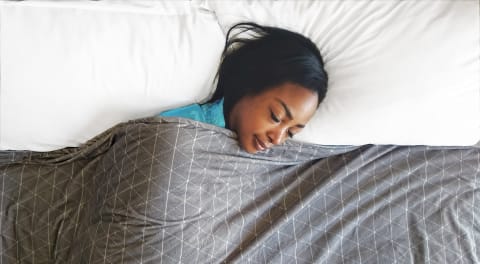
For many adults, bedtime is the first quiet moment in a busy day. But instead of feeling restful, it can sometimes become the time when financial worries finally catch up.
Getting a good night’s sleep is crucial for your health, but for many Australians, sleep disorders like sleep apnea can stand in the way. If you’re struggling with snoring, fatigue, or think you might have sleep apnea, the good news is that Sove CPAP Clinic is here to help. We offer affordable, effective services that ensure you get the rest you deserve, with a commitment to making treatment accessible to all.
When you’re diagnosed with sleep apnea, one of the first questions that comes to mind is often about cost. A CPAP machine isn’t exactly a small purchase—so it’s fair to wonder whether it’s worth it, especially if your symptoms feel manageable.
But the real question isn’t just “How much does CPAP cost?” It’s “What does it cost not to treat sleep apnea?”
Let’s take a closer look at the cost comparison.
We all know how a poor night’s sleep feels - groggy mornings, low energy, and that extra coffee you didn’t plan on. But when disrupted sleep becomes the norm, it can start to affect more than just your mood. For people living with sleep apnea, ongoing fatigue can quietly impact vocational functioning, productivity, and even work health and safety.
Waking up too early or struggling to stay asleep can leave you feeling drained, foggy, and out of sync with your day. While it’s common to focus on falling asleep, staying asleep is just as important. The good news? With a few simple shifts, you can train your body to enjoy longer, more restorative sleep.
Stress has a way of quietly building up. One busy week turns into another, your mind feels constantly switched on, and even when you finally get into bed, it’s hard to truly relax. If this sounds familiar, you’re not alone. The good news is that one of the most effective ways to reset your mind and body is something simple—and often overlooked: quality sleep.
Sleep is meant to be a time of rest and recovery-but for many people, it becomes a source of stress. Sleep anxiety refers to a persistent feeling of fear or worry about going to sleep, often driven by concerns about not falling asleep or not staying asleep.
Ever noticed how the moment your head hits the pillow, your mind suddenly switches on? Thoughts race, worries grow louder, and sleep feels just out of reach. If this sounds familiar, you’re not alone. For many adults, stress doesn’t stay in the daytime - it follows them straight into bed.
If you’ve ever spent hours lying awake at night, your mind spinning with thoughts about work, personal obligations, or forgotten tasks, you’re not alone. For many of us, the quiet of the night brings an avalanche of mental clutter. But what if there was a simple daily habit that could ease this mental load and help you get the rest you need?